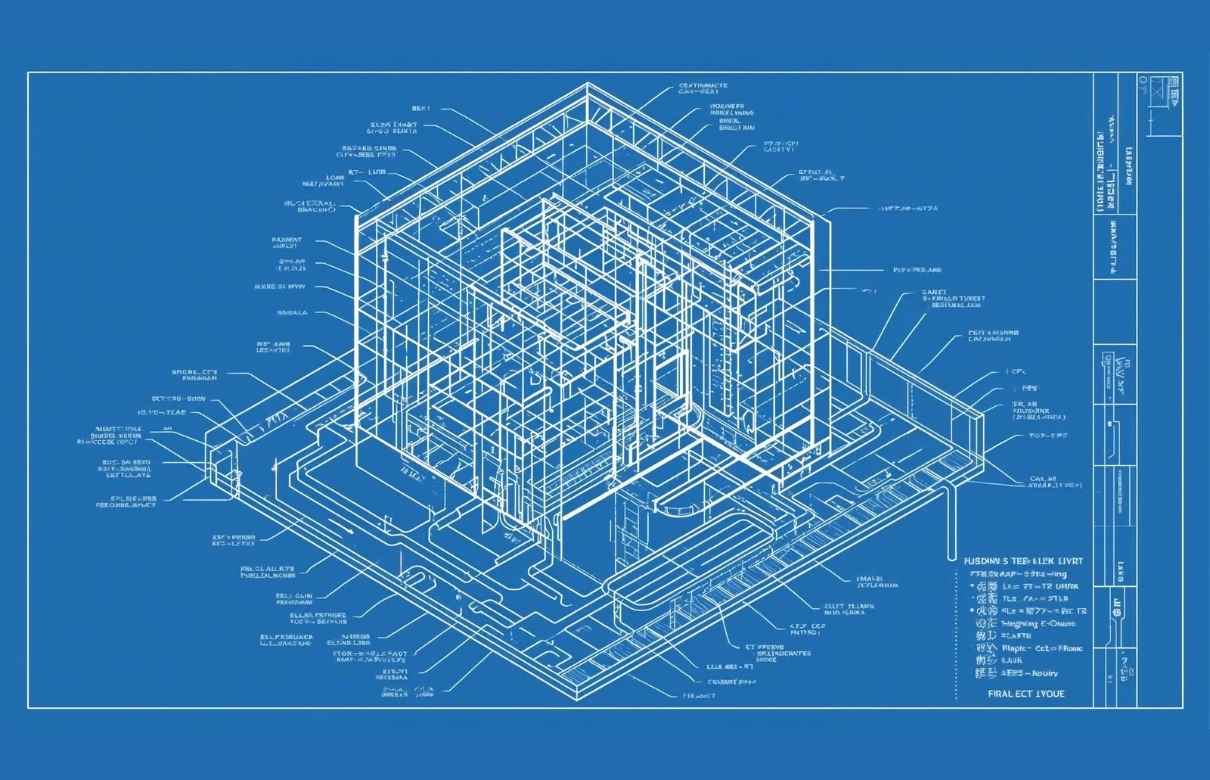
Historically, this field was known as Sanitary Engineering, but its scope has expanded significantly to include broader environmental protections and urban sustainability.
Public Health Engineering (PHE) is a specialized branch of civil engineering focused on the application of scientific and engineering principles to improve the health of populations. It primarily deals with the management of water resources, sanitation, and the environment to prevent the spread of waterborne and filth-borne diseases.
Plumbing fixtures and accessories.
Soil, waste and vent pipes.
Cold water systems (flushing and domestic)
Hot water systems.
Ground and overhead water tanks.
Water supply external distribution.
Sewage up to the disposal system.
Storm water up to the disposal system.
Water treatment plant.
Sewage treatment plant.
Solar system.
The Role of a Public Health Engineer
In modern urban planning, these engineers work to solve complex problems such as:
This involves the sourcing, purification, and distribution of potable water. Engineers must ensure that water is not only available but chemically and bacteriologically safe for human consumption.
Source Selection: Surface water (rivers, lakes) or groundwater (wells).
Treatment Processes: Coagulation, flocculation, sedimentation, filtration, and disinfection (usually chlorination).
Distribution: Designing pipe networks, reservoirs, and pumping stations to maintain consistent pressure and flow.
This sector focuses on the collection and disposal of liquid waste (sewage) from domestic and industrial sources to prevent environmental contamination.
Collection Systems: Designing underground sewer networks that transport waste using gravity or lift stations.
Sewage Treatment: Utilizing physical, chemical, and biological processes (like activated sludge or trickling filters) to treat waste before it is discharged into natural water bodies.
Sludge Disposal: Safely managing the solid byproducts of the treatment process.
PHE also encompasses the systematic control of the generation, storage, collection, transport, processing, and disposal of solid wastes.
Integrated Waste Management: Prioritizing the "3 Rs" (Reduce, Reuse, Recycle).
Sanitary Landfills: Designing engineered facilities for waste disposal that prevent leachate from contaminating groundwater.
Composting and Waste-to-Energy: Converting organic waste into fertilizer or electricity.