A fire suppression system is an engineered group of units that are built to extinguish, control, or contain fires. Unlike a fire sprinkler system, which primarily uses water, suppression systems often use specialized agents like foam, chemical powders, or inert gases to protect high-value assets or environments where water would cause more damage than the fire itself.
Internal Hydrant System.
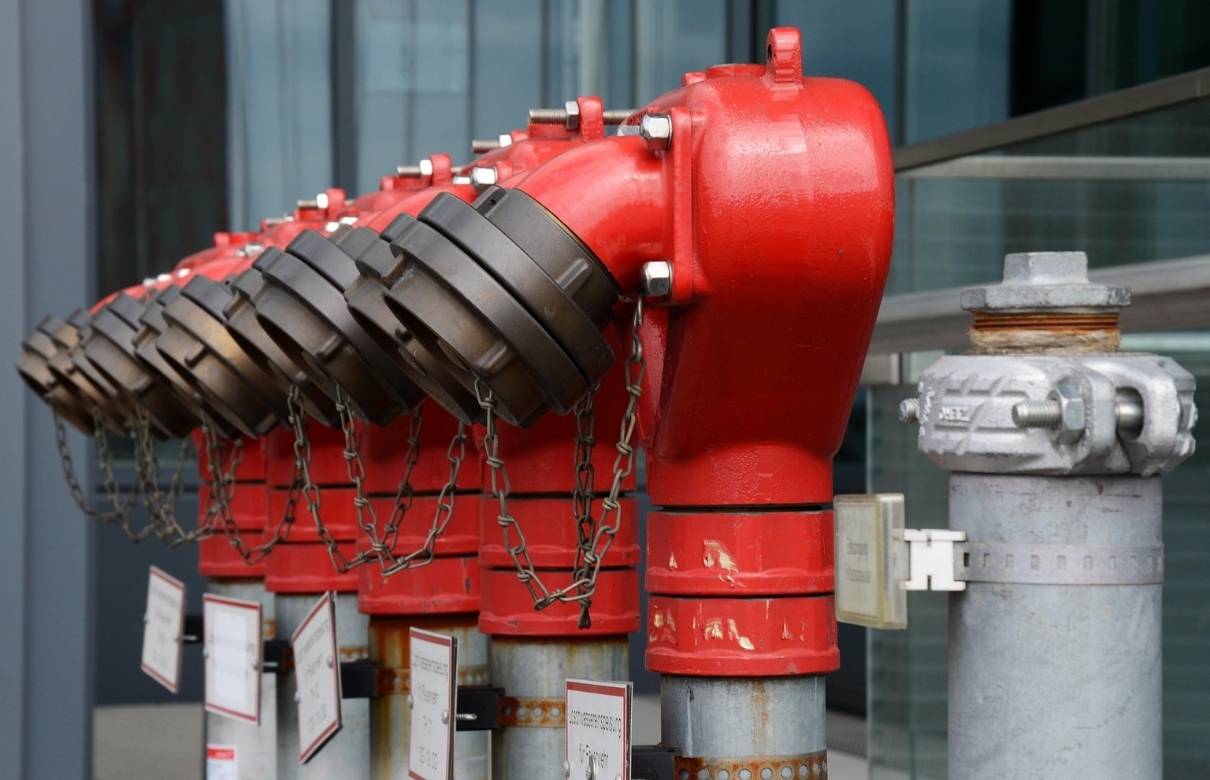
External Hydrant System.
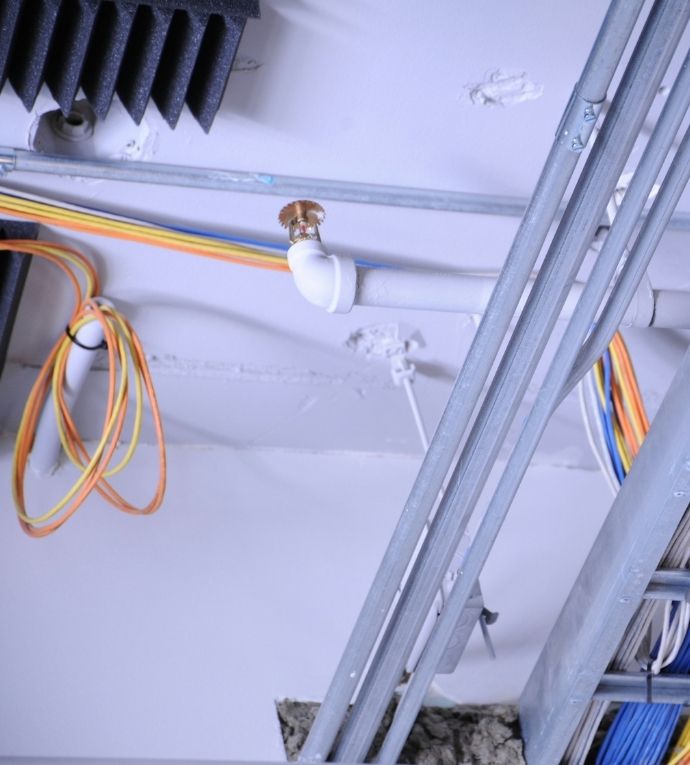
Sprinkler System.
Pumps and accessories.
Fire Extinguishers.
How the system works
Most automated systems follow a four-step sequence to ensure rapid response:
These systems use inert gases (like Nitrogen or Argon) or chemical agents (like FM-200 or Novec 1230) to reduce the oxygen level or disrupt the chemical reaction of the fire.
Best for: Data centers, server rooms, museums, and telecommunication hubs.
Benefit: Leaves no residue and is electrically non-conductive.
Foam systems work by "blanketing" the fire, separating the fuel from the oxygen supply.
Best for: Hangers, refineries, and areas with flammable liquid storage (Class B fires).
Benefit: Highly effective at suppressing vapors and cooling the fuel surface.
Kitchen Hood Systems (Wet Chemical)
Specifically designed for commercial kitchens, these spray a liquid agent that reacts with cooking fats and oils to create a soapy film (saponification).
Best for: Restaurants and industrial kitchens.
Benefit: Prevents re-ignition by cooling the grease.
Carbon Dioxide (CO2) Systems
These systems flood an area with CO2 to displace oxygen.
Best for: Unmanned engine rooms, power plants, and large industrial machinery.
Caution:These are hazardous to humans and usually require a pre-discharge alarm to allow evacuation.